
Investing used to have a velvet rope. You needed the right connections, a pile of starting cash, and the patience to decode a language of jargon. For most people, it was a closed party they heard about but never attended. The stock market ticker on the news might as well have been a screensaver.
That old world is crumbling.
A new pack of apps is handing out invitations to everyone. They’ve taken the stuffy finance rulebook, torn out the confusing pages, and built something you can use on your phone during your commute. This shift is more than a simple update. It changes the entire group of people who can build wealth through investing.
The Gatekeepers Are Gone
Remember when buying a stock came with a hefty fee? You’d pay just for the privilege of participating. That single charge kept millions of small-timers on the sidelines. Why risk fifty bucks when the trade itself cost twenty?
Fintech apps wiped that fee off the map. Now you can buy a slice of a company without a ticket price. This shift is profound. Investing loses its formal quality. It becomes a normal activity you might try on a weekday afternoon..
At the same time, apps like Acorns changed the amount you need to start. You don’t need thousands. You can invest the literal change from your morning coffee. The round-up feature takes the leftover coins from a transaction and puts them to work. Building a portfolio seems less like a huge project. It starts to feel like a regular part of your week.
Your Pocket-Sized Financial Advisor
Traditional investing platforms were built for experts. Their screens looked like the cockpit of a spaceship, full of blinking numbers and complex charts. If you didn’t already know what you were doing, you were lost before you began.
The new wave of apps favors clarity over complexity. They use clean designs and simple language. They want to give you clear answers. The design avoids confusion. You find what you need quickly and understand what you’re looking at.
This is where a platform like Finelo carves its space. It pairs its clean interface with a powerful simulator. You don’t just read about a stop-loss order; you get to place one with virtual money and watch what happens. This hands-on practice builds a kind of knowledge that reading a definition never could. You understand how a trade works by trying it yourself without any financial risk.
Learning by Doing
Financial education used to mean thick textbooks or expensive courses. You had to learn the theory first, a process so boring it filtered out most people before they even started.
Fintech apps flip this model. They weave lessons directly into the user experience. You encounter a concept right when you need to use it. A two-line explanation pops up to clarify a term. A short video breaks down a chart pattern. The learning is immediate and relevant.
Finelo takes this further by making the entire platform a training ground. Its simulator is the core of the experience. You test strategies and see the results against live market data. This turns abstract theory into tangible cause and effect. You develop useful skills for your own life, moving beyond simple memorization.
A More Personal Pocketbook
Old-school financial advice was generic. You got a one-size-fits-all plan that might not have considered your specific fears or goals. The advice often felt generic, as if it was made for a general audience rather than for you.
Modern apps use algorithms to tailor the experience. They ask about your timeline and your comfort with risk. Then they build a portfolio strategy that reflects your personal answers. The system does the heavy lifting of asset allocation for you.
This personalized touch extends to your daily routine. Apps can nudge you based on your own spending. They might suggest transferring a little extra to savings after a light spending week. These small, smart suggestions make managing money feel less like a chore and more like a partnership.
Investing Apps at a Glance
The table below compares popular platforms, showing their main focus to highlight different approaches.
| Platform Name | Primary Focus | Best For | Key Features | Pricing Model |
| Finelo | Investing Education & Practice | Beginners seeking structured learning and a safe space to practice | Interactive courses, AI mentor, real-world investing simulator, personalized learning paths. | Subscription-based |
| Robinhood | Commission-Free Trading | Active traders who want a simple, mobile-first platform for trading | Commission-free trades on stocks, ETFs, and crypto; fractional shares; streamlined interface | Freemium • $0 monthly fee for basic account |
| Acorns | Automated Micro-Investing | Absolute beginners who want to start investing passively with minimal effort | Automated round-up investing (invests your spare change), pre-built portfolios, and educational content. | Subscription • $3-$12 per month |
| Webull | Active Trading & Charting | Beginners and intermediate traders interested in technical analysis and charting tools | Advanced charting tools, paper trading simulator, commission-free stock/ETF trades, and extended hours trading. | Freemium • $0 monthly fee for basic account |
| Fidelity | Full-Service Wealth Management | Investors who want an all-in-one app for trading, banking, and long-term retirement planning | Robust research and educational tools, $0 commission stock/ETF trades, fractional shares, extensive mutual fund selection. | Freemium • $0 monthly fee for basic account |
| Public | Social Investing | New investors who want to learn from and share ideas with a community | Social feed to see and discuss others’ investments, fractional shares, commission-free trading, and educational content. | Freemium • $0 monthly fee for basic account |
How Different Apps Open Up Investing
No single app holds the master key. Instead, they each pick a different lock on the old financial system. One tackles cost, another conquers complexity, and a third builds confidence. Their collective work is what’s truly rewriting the rules.
Finelo: The Confidence Builder
Finelo.com operates as a financial training ground. It directly attacks the intimidation factor that keeps many from investing. The platform provides a live market simulator where users practice with virtual money, making mistakes without financial consequences.
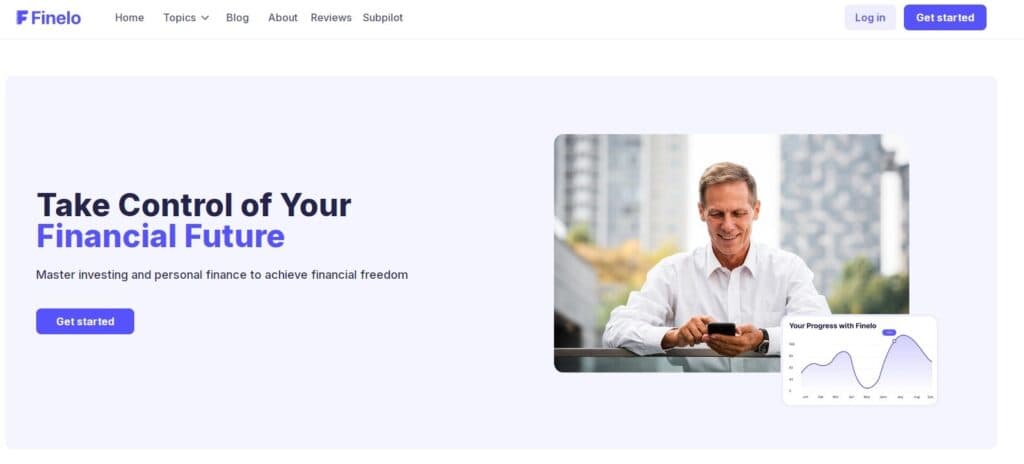
This hands-on practice, combined with structured, bite-sized lessons, builds the foundational knowledge and confidence needed to enter the markets. It democratizes access not just to tools, but to competence.
Robinhood: The Gatekeeper Remover
Robinhood’s primary role in democratization was eliminating the cost of entry. It popularized zero-commission trading for stocks, ETFs, and options.
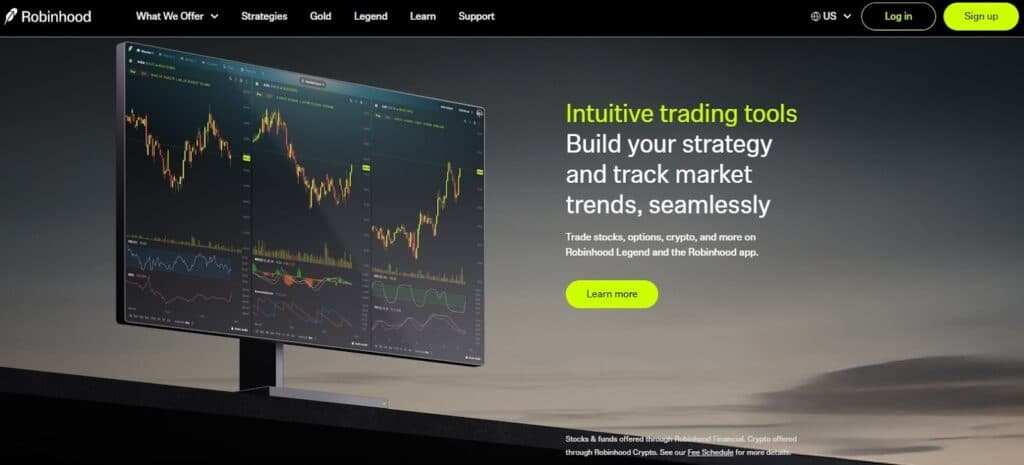
Its simple, mobile-first interface stripped away the complex charts and jargon of traditional brokerages, making the act of buying a stock feel as straightforward as a retail purchase. It opened the doors for a generation of new investors who found old platforms inaccessible.
Acorns: The Passive Entry Point
Acorns tackles the problem of “I don’t have enough money to start.” It automates investing by rounding up everyday purchases to the nearest dollar and investing the spare change.
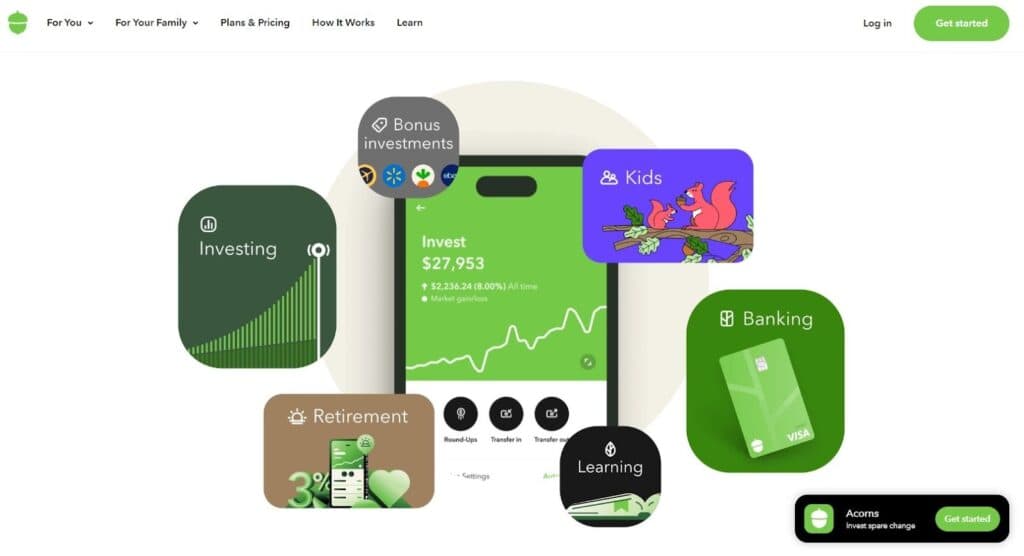
This micro-investing approach requires no active decision-making or large lump sums, making wealth-building an automatic background process. It democratizes investing for those who are not yet ready to actively trade but want to start growing their money.
Stash: The Educator and Enabler
Stash combines fractional share investing with financial education. It allows users to buy small pieces of expensive stocks and funds, while its library of articles and guides explains the “why” behind the investments.
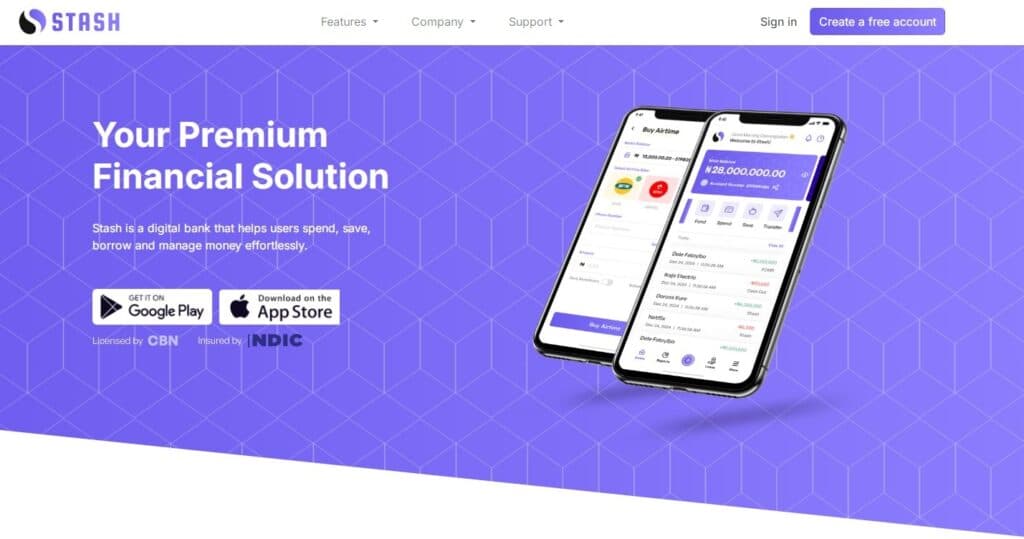
This approach demystifies the market for beginners, giving them both the tools to participate and the knowledge to understand their choices, thus empowering them to build a portfolio aligned with their beliefs and goals.
Public: The Social Community
Public adds a social layer to investing. Its platform allows users to see what others are buying and discuss their strategies transparently. This breaks down the isolation of investing and creates a learning environment through community interaction.
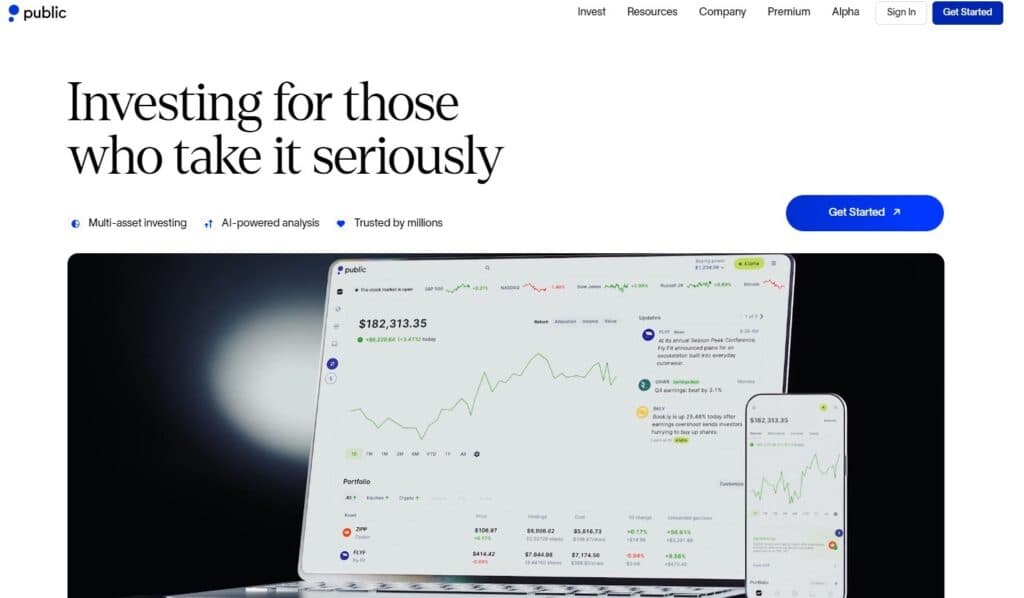
By making portfolio-building a shared, conversational experience, it reduces the anxiety of going it alone and democratizes access to collective knowledge.
Conclusion: The New Normal
The collective impact of these apps is a quiet revolution. They haven’t just opened the doors to investing; they’ve rebuilt the building with a wider entrance. The requirement is no longer a large bank balance or a finance degree. The new requirement is curiosity.
Accessibility is now the standard. A person with just five dollars and a smartphone has a path to the market that simply didn’t exist fifteen years ago. This shift is moving the needle on what it means to build wealth. It’s becoming a normal part of a financial life, not a privilege for a select few. The tools are finally here. The only thing left to do is pick one up.