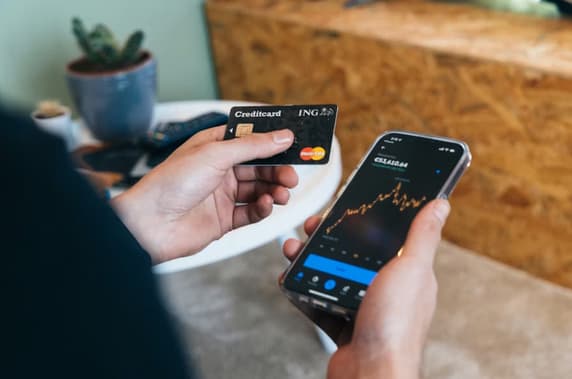
The world of digital finance has moved far beyond the experimental phase of the early 2020s. By 2026, cryptocurrency has become an integrated part of daily life, used for everything from high-speed international transfers to securing digital identities. However, the most critical piece of infrastructure for any participant remains the crypto wallet. Contrary to what the name suggests, these “wallets” do not actually store your coins. Instead, they store the private keys that allow you to access and manage your assets on the blockchain.
Selecting the right tool for your digital assets requires balancing convenience with uncompromising security. Whether you are a seasoned trader looking for the latest DeFi integrations or someone just exploring the best Greek online casinos that accept instant crypto deposits, the choice of wallet will define your entire user experience. In an era where cyber threats have become more sophisticated, your wallet is essentially your personal digital vault.
The Different Species of Wallets
In the current landscape, wallets are generally categorized into two main groups: “hot” and “cold.” This distinction refers to whether the wallet is connected to the internet.
- Hot Wallets: These are software-based applications, browser extensions, or mobile apps. They are incredibly convenient for frequent transactions but are theoretically more vulnerable to online attacks.
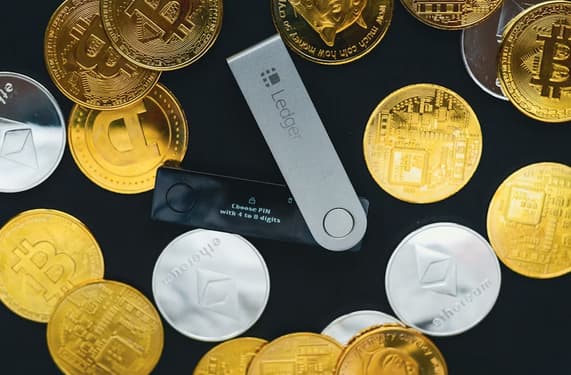
- Cold Wallets: These are physical hardware devices that keep your private keys entirely offline. They are the gold standard for long-term storage, as they are virtually immune to remote hacking.
Key Factors for 2026
As we navigate through 2026, several new features have become “must-haves” for any reputable wallet provider. The industry has moved away from simple storage toward comprehensive financial hubs.
- Multi-Chain Compatibility: Gone are the days of having one wallet for Bitcoin and another for Ethereum. Modern wallets must support a wide array of Layer 1 and Layer 2 networks seamlessly.
- MPC (Multi-Party Computation) Security: This technology splits a private key into multiple parts, ensuring that no single point of failure exists. It provides the security of self-custody with a much more forgiving recovery process for the user.
- Account Abstraction: This is the “user-friendly” revolution. It allows for features like social recovery (recovering a wallet through friends), gasless transactions, and smart contract-based security rules.
Top Recommendations for the Current Year
The market in 2026 is dominated by a few standout performers that have proven their resilience and innovation. Depending on your primary activity, here are the top contenders:
The Best for Everyday Use: Phantom and Trust Wallet
For those who are constantly interacting with decentralized apps (dApps) or NFT marketplaces, mobile-first wallets like Phantom or Trust Wallet remain the leaders. They offer slick interfaces and have integrated cross-chain bridges directly into the app, allowing you to swap assets across different blockchains with a single click.
The Best for Maximum Security: Ledger and Trezor
Hardware wallets haven’t lost their crown. The 2026 models of Ledger and Trezor now feature larger touchscreens and improved Bluetooth connectivity for mobile pairing. They remain the only choice for anyone holding a significant amount of capital that they do not intend to trade daily.
The Best for Web3 Professionals: MetaMask
MetaMask continues to be the industry standard for developers and heavy DeFi users. Its browser extension is the primary way most Web3 platforms are accessed. While its interface can be daunting for total beginners, its customization options and deep integration with the Ethereum ecosystem are unmatched.
How to Make Your Final Choice
Choosing a wallet is a personal decision that should be based on your “threat model.” If you are only holding a small amount of crypto for casual use, a free software wallet is perfectly adequate. However, as soon as your holdings grow to a value that would be painful to lose, investing in a hardware device is a non-negotiable step.
Always remember that in the world of crypto, you are your own bank. This gives you total freedom, but it also means there is no “forgot password” button for your seed phrase. Keep your recovery words offline, never share them with anyone, and always double-check the addresses you are sending funds to. With the right tools and a bit of caution, you can navigate the 2026 digital economy with total confidence.